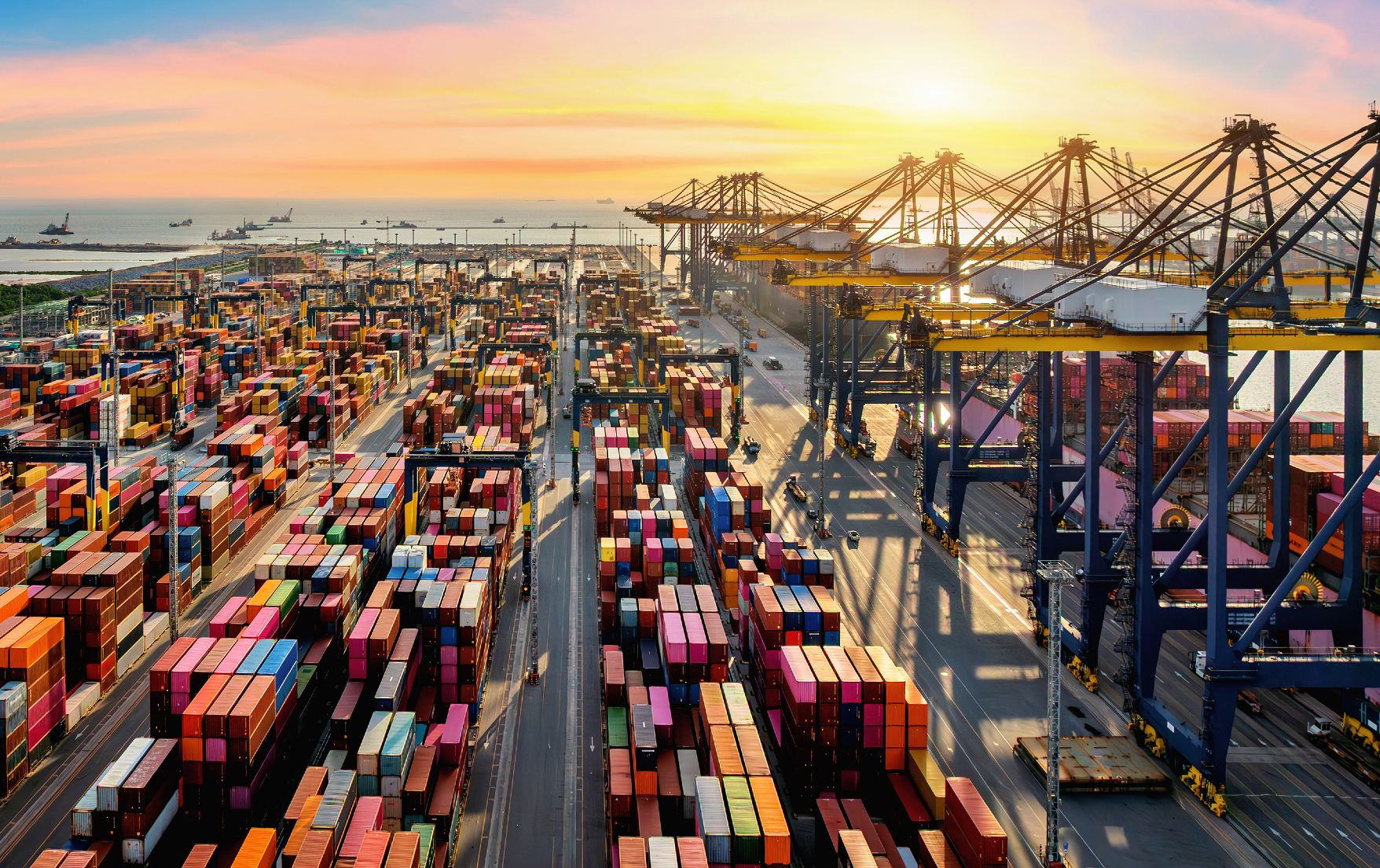
For decades, the Nigerian economic narrative was written in “Black Gold.” However, as we cross the five-year milestone of the African Continental Free Trade Area (AfCFTA) in 2026, the ink is turning a deep shade of blue. The 2025 AfCFTA Achievements Report highlighted a staggering 35% increase in intra-African maritime trade, positioning Nigeria at a critical juncture.
Navigating the New Era of Intra-African Trade
It has been five years since the first shipment under the African Continental Free Trade Area (AfCFTA) crossed a border, signaling the start of what many called “the African century.” In 2021, the skeptics were numerous: the task of unifying 54 nations into a single market seemed more like a diplomatic dream than a commercial reality.
Yet, as we move through 2026, the narrative has shifted. Africa is no longer just “negotiating”; it is trading. From Kenyan batteries powering West African industrial zones to Rwandan coffee reaching North African tables, the “Made in Africa” label is becoming a staple of regional supply chains.
Most Recent Developments: The Engine Room is Humming
The last 18 months have seen the AfCFTA move from high-level policy to the “engine room” of implementation.
- The GTI Expansion: What started as a pilot involving eight countries has evolved into the Guided Trade Initiative (GTI) 2.0. As of early 2026, over 39 countries are now participating, with 12 nations actively conducting commercially meaningful trade under AfCFTA rules.
- The Digital Trade Protocol: A major milestone was the 2024 adoption of the Protocol on Digital Trade, with its final annexes ratified in early 2025. This provides a harmonized legal framework for e-commerce, data protection, and cross-border data flows, essential for the continent’s burgeoning “Silicon Savannahs.”
- Rules of Origin (RoO): Negotiations are now 92% complete. This clarity has allowed manufacturers to plan long-term investments, knowing exactly what qualifies as “African” and can therefore benefit from tariff-free entry.
The Financial Plumbing: PAPSS Gains Traction
Perhaps the most significant “win” is the maturing of the Pan-African Payment and Settlement System (PAPSS). For decades, a Nigerian business paying a Ghanaian supplier often had to route money through New York or London, losing time and up to 10% in conversion fees—the infamous “USD detour.”
| Feature | The Old Way (Pre-2022) | The PAPSS Way (2026) |
| Currency | Reliance on USD, EUR, or GBP | Settlement in Local Currencies |
| Time | 3 to 7 business days | Near-Instant |
| Cost | High (double conversion + bank fees) | Up to 30% reduction in transaction costs |
| Reach | Fragmented regional silos | 19+ countries and 160+ banks |
The Positives: Reasons for Optimism
- Trade Resilience: While global supply chains have wobbled due to geopolitical tensions, intra-African trade is forecast to grow 10% in 2026, reaching an estimated $230 billion.
- Sectoral Shifts: We are moving away from raw commodity exports. Manufacturing and agri-food sectors now account for nearly 50% of intra-African trade flows.
- The Adjustment Fund: The $10 billion AfCFTA Adjustment Fund is now fully operational, supporting countries that experience revenue losses from tariff removals, ensuring that smaller economies aren’t left behind.
The Challenges: Concerns about the “Policy-to-Port” Gap
Despite the momentum, exceptional doesn’t mean perfect. The reality at the border post remains the biggest bottleneck.
- Customs Cognitive Dissonance: There is often a gap between the Secretariat in Accra and the customs officer at a remote border. Many officers still default to legacy regional rules (like ECOWAS or SADC) rather than the AfCFTA regime, leading to delays and “dual-paperwork” headaches.
- Infrastructure Deficits: Connecting two African cities shouldn’t feel like an odyssey. The continent still faces a massive logistics gap; it remains cheaper, in some cases, to ship a container from Shanghai to Lagos than from Lagos to Mombasa.
- Non-Tariff Barriers (NTBs): While tariffs are falling, NTBs, such as cumbersome sanitary requirements and uncoordinated standards, remain the “invisible wall” of African trade.
Expectations for 2026 and 2027
What lies ahead for the next 24 months? We anticipate three major shifts:
- The Rise of “Mineral Beneficiation”
By 2027, expect to see the first wave of green-energy manufacturing hubs. With the Protocol on Investment fully ratified, we are seeing a shift from exporting raw lithium and cobalt to processing them within Africa to feed the global EV battery market.
- Services Trade Leapfrogging
Phase II negotiations on the Trade in Services will reach a critical mass. This isn’t just about tourism; it’s about professional services – law, accounting, and engineering, being exported across borders digitally, supported by the new Digital Trade Protocol.
- Deepening Regional Value Chains
We expect “Regional Value Chains” (RVCs) to mature. Instead of one country trying to build an entire car, we will see South Africa manufacturing the chassis, Morocco the electronics, and Zambia the wiring— all trading components tariff-free.